
Rain Gear


This post contains affiliate links. If you make a purchase through them, we may earn a small commission at no extra cost to you. These help cover the costs associated with operating this website. Thanks! Learn more here.
Frogg Toggs Xtreme Lite (7.2 oz men's medium)
(click here for the women's jacket)
Price- $59.99
Weight- 7.2 oz men's medium
-UPDATED MAY 2026-
This has become an unexpected favorite of ours. This is now our standard shell for long distance hiking with expectations of regular precip, as long as it's not torrential, cold downpours (the hypothermia inducing kind). I'm also aware my listed weight is different from the manufacture but this is what my scale read. (Note: there is also a women's version of this jacket available).
The Good- It offers a really reasonable price point and a fully seam-taped construction. Because it's made of an impervious plastic material rather than relying on a DWR coating that can rub off under your pack straps, it literally can't wet out—yet it doesn't feel any more swampy than most rain shells without pit zips. It's lightweight and surprisingly durable, often providing a longer life expectancy than many more expensive two or three-layer shells.
The Bad- The major failure point is the external seam tape peeling after a number of years. Additionally, the hood isn't exceptionally cut or tailored (though it does have a functional brim) if you are looking for a highly refined fit. The newer women’s jacket we just ordered does have a more fitted hood with a larger and stiffer brim. 5/29/26
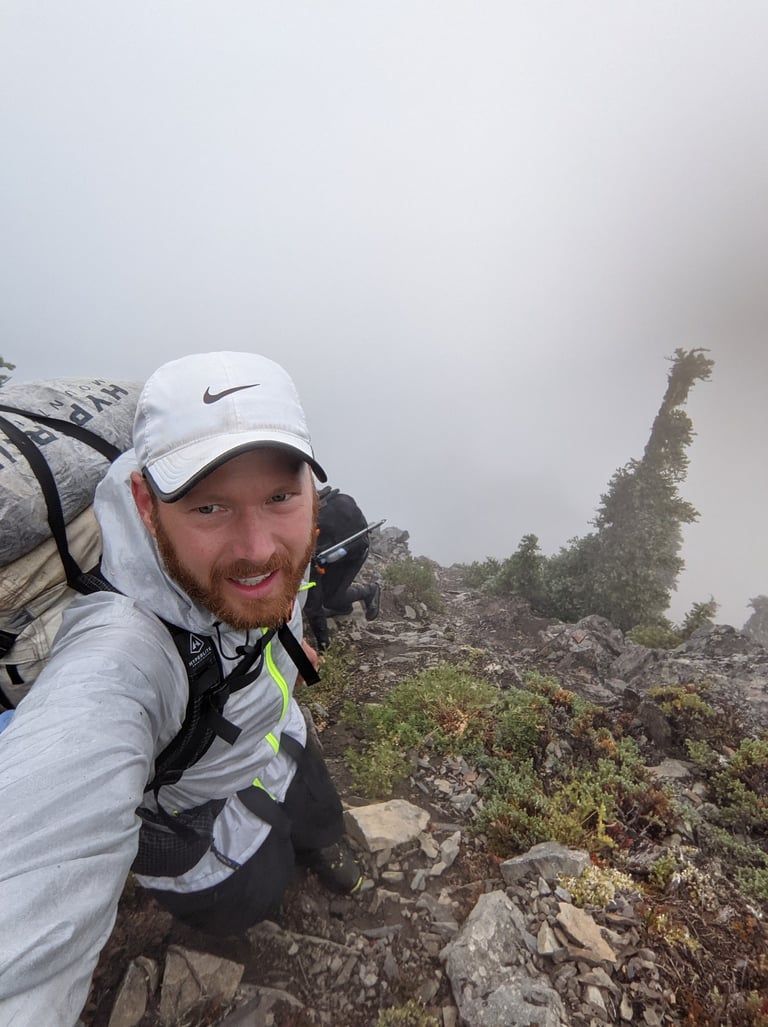
(Jacket worn by me on the Catwalk approaching the Bailey Range Traverse in the interior of the Olympics. This shell kept me dry and physically comfortable, even after my climbing partner and I became separated in thick fog...)
Arcteryx Beta LT (now just Beta)
Price- $400
Weight- 13.2 oz (men's medium)
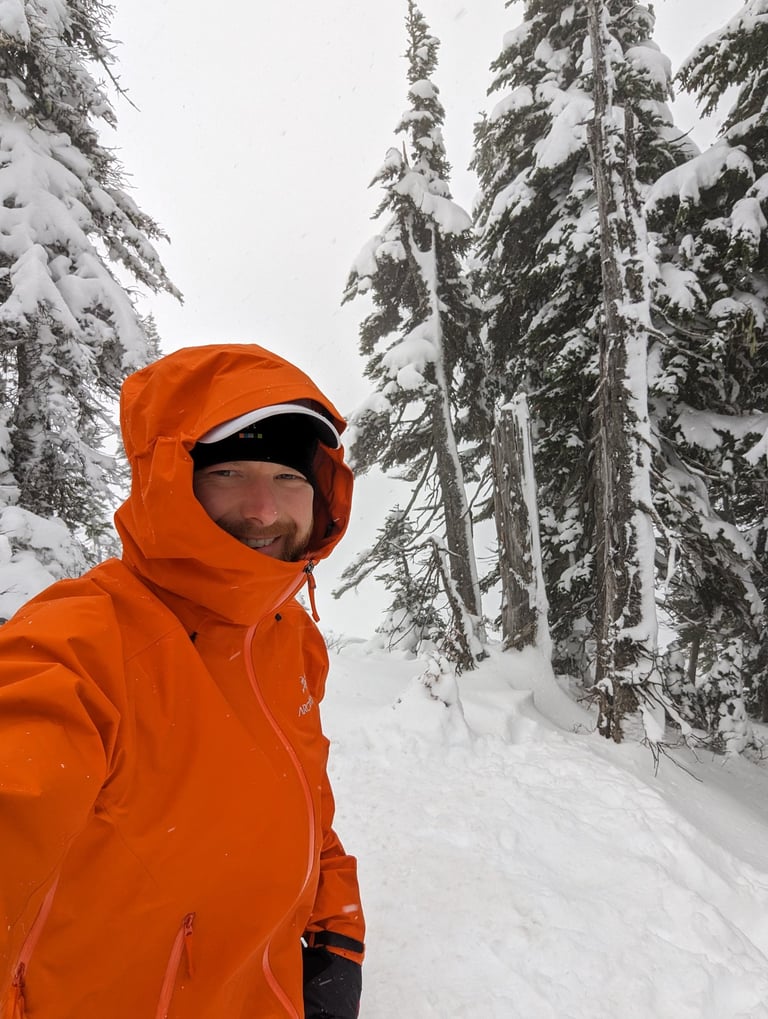
This is my PNW winter and fall shell and my top choice for any hike when rain looks guaranteed or hypothermia inducing.
Is the high-vis orange my favorite color? No, but it was on sale and it works well in the fall when my backpacking can overlap with seasonal deer and elk hunting in Washington State. Even though Arc'teryx offers jackets for more severe weather, this model holds up well and has become my winter workhorse.
(Seen here being used for snow camping and backpacking).
The Good- The 3-layer Gore-Tex shell performs exceptionally well in cold and humid conditions. It features large and generous pit zips, making it easy to ventilate on uphill slogs. The hood really encompasses your head and keeps you completely dry when the weather turns on you.
The Bad- There is a little peripheral vision reduction when the hood is synched down, though it's pretty limited. (Note: Arc'teryx frequently updates their naming conventions and product line; while the older LT has pit zips, the current standard Beta model does not, so double-check the features before buying).
Black Diamond Stormline Stretch (now Fineline Stretch)
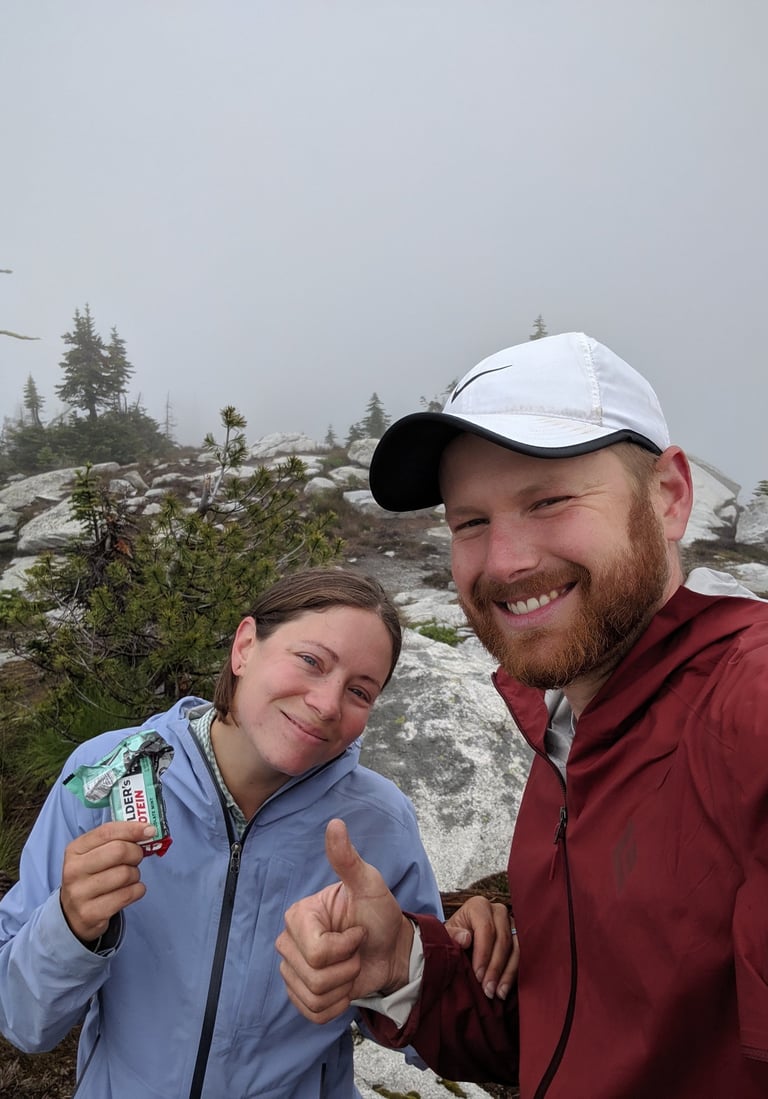
(It's the red shell on Moose, seen in the Selkirk range in Northern Idaho on the Pacific Northwest Trail)
This was my shell for the Pacific Northwest Trail thru-hike. And late spring and early summer in 2019 where wet, in Montana, Idaho, Eastern Washington... And again on the Washington Coast in early September at the end of the hike. My point is I put this jacket through the wringer, wearing it more days then not for the first month of this hike. It did a great job keeping me dry, even in a sudden downpour during an off-trail bushwhack in Northern Idaho. It really does stretch like the name implies, making it feel a lot "softer" when wearing it and noticeably less crunch then other hardshells. Eventually the DWR will wear off, but after about 500 miles of use my pack straps wore the shoulder material paper thin but this was under extreme conditions. I would definitely use this jacket again.
Follow us on Social Media
Contact us
Sign up for our newsletter
Don_Moose@mooseandbugs.com
© 2025-2026. All rights reserved.