
Snowshoes


This post contains affiliate links. If you make a purchase through them, we may earn a small commission at no extra cost to you. These help cover the costs associated with operating this website. Thanks! Learn more here.
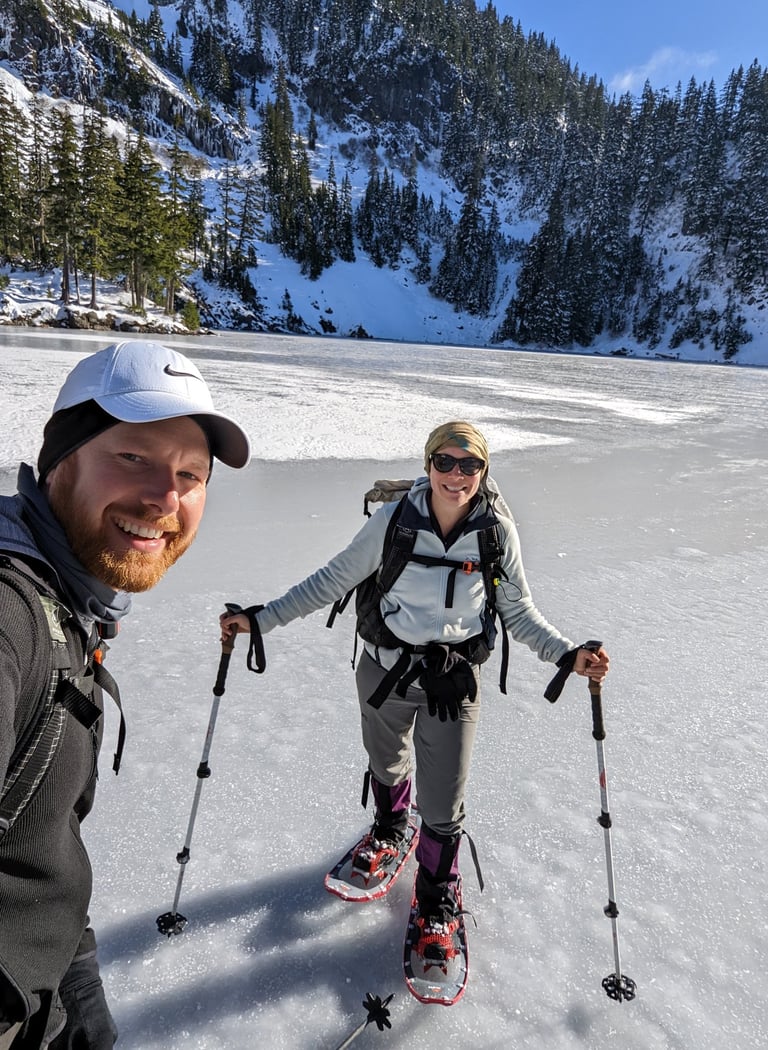
MSR Lightning Ascents
Price- ~$389.00
Weight- ~4 lbs 4 oz (pair, 22-inch)
After renting, borrowing, and testing many different snowshoes, we finally settled on this MSR model after seeing them in action on one of our avalanche safety course instructors. They offer the perfect mix of flotation and traction needed for the deep, dense snow the Pacific Northwest is known for. We use these shoes for everything from casual weekend snowshoeing with friends to multi-day winter expeditions deep into the Cascades carrying heavy packs.
The Good- The aggressive steel frame and crampon-like teeth under the forefoot provide incredible confidence on steep, icy slopes. The Paragon binding is a massive highlight—its webbing wraps securely around your boot and you tighten a strap behind your heel, completely eliminating painful pressure points for a glove-like fit. They are remarkably lightweight for such a rigid, durable build, come in three sizes, and can be paired with modular tail extensions for extra flotation on deep powder days or when carrying heavy gear loads.
The Bad- They are a premium, top-tier model with a steep upfront price tag. Additionally, while the aggressive traction is phenomenal on technical terrain, it's a good reminder that snowshoes don't replace an ice axe and proper self-arrest skills if you find yourself on high-consequence slopes. Some shoes with large tubular frames may offer better flotation on light and dry snow. (Note: I will also link a slightly lower price-point MSR option below that still delivers excellent multi-season durability!)
(MSR Lightning Ascents seen on Bug's crossing a frozen lake in the Mt. Baker Wilderness, demonstrating the grip of these shoes on ice)
MSR Evo Explore Womens
MSR Evo Explore Mens
Price- ~$229.00
Weight- ~3 lbs 11 oz (pair)
A great midrange option, this model now offers the exact same premium Paragon binding as the top-tier Lightning Ascents. We actually rented this specific pair numerous times to test them out before finally committing to a purchase of our own.
(The older model shown in the image here featured strap bindings, but the updated versions have fully transitioned to the improved Paragon setup.)
The Good- The all-plastic construction is incredibly robust, resilient, and built to withstand years of multi-season abuse. The inclusion of the updated Paragon binding is a massive win, wrapping securely around the boot to eliminate the painful hotspots and pressure points over your laces that plague older strap designs. It delivers high-quality MSR reliability at a much more approachable price point.
The Bad- While the molded plastic decks and steel traction rails bite fairly well into icy snow, they simply do not grip as aggressively as the full perimeter steel frames on the Lightning Ascents when you are dealing with steep, icy slopes.
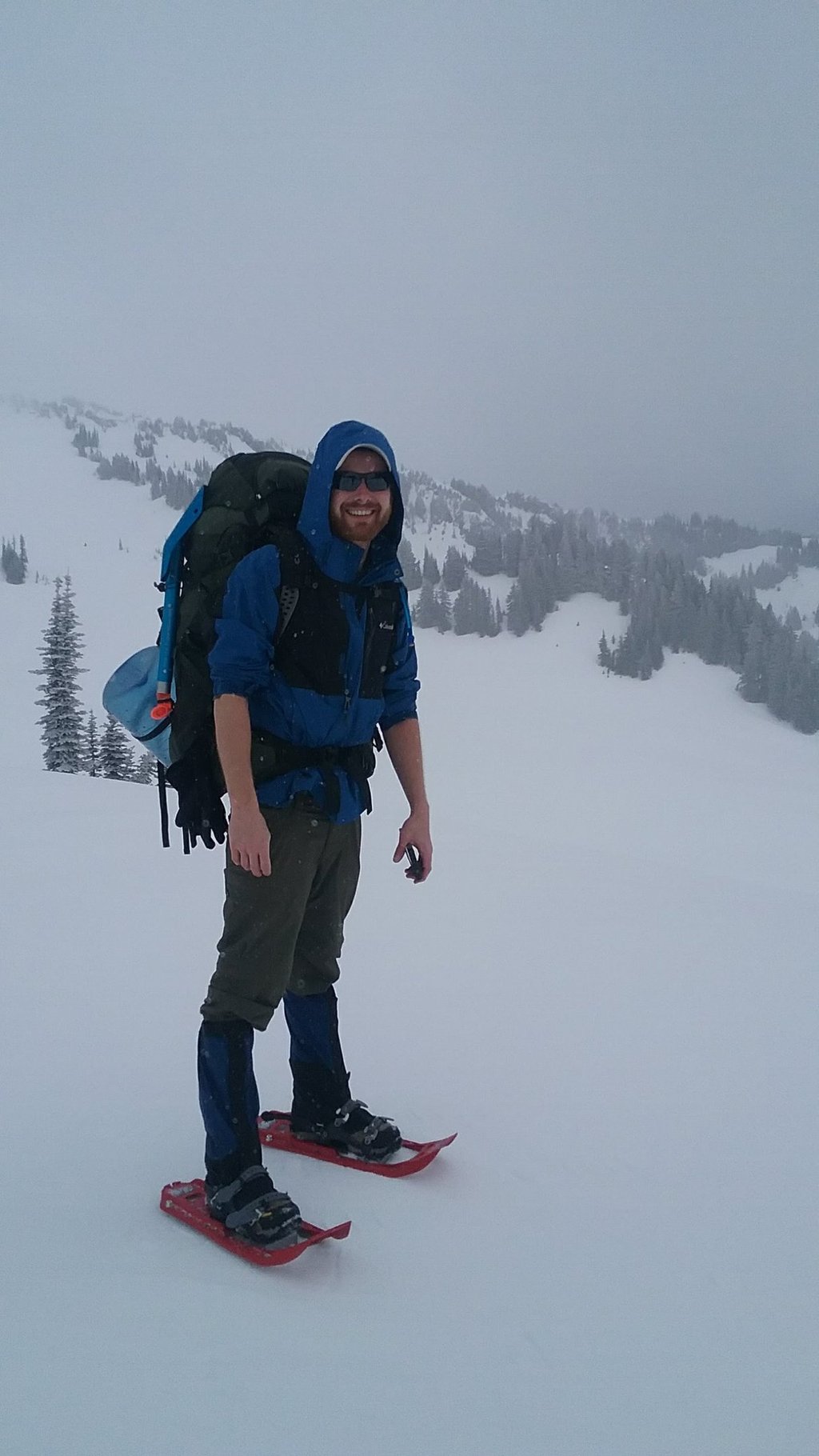
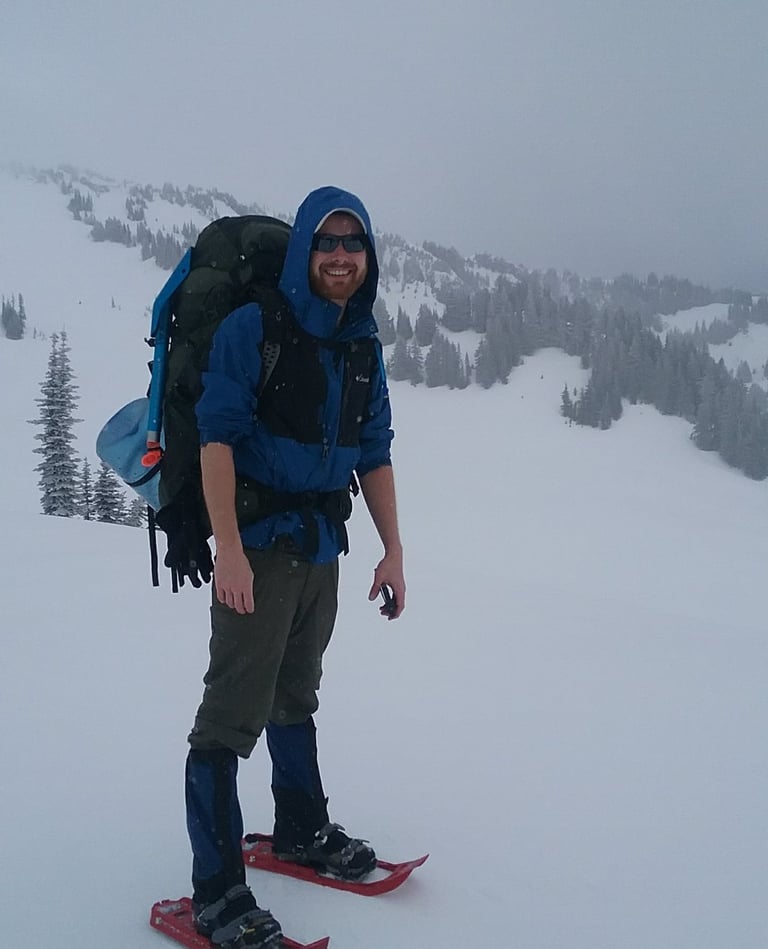
(seen on Moose near Paradise, Mt. Rainier, Washington State on an overnight winter trip)